Infrastructure for businesses · Nationwide project coverage+54 9 11 3341-3156
Infrastructure project · Technical implementation

Data center First Line Maintenance and Smart Hands support

On-site FLM support for physical-layer diagnostics, Smart Hands tasks, optical-link measurements when required and documented interventions.

ProjectData center first-line maintenance
N+3 infrastructure project: Data center First Line Maintenance and Smart Hands support
Initial situation

The challenge

When a data center incident needs a physical inspection, remote teams require trusted on-site technical support to check racks, power, interfaces and cabling.

Delivery approach

Technical considerations

FLM work must follow the authorized ticket, identify the correct asset and coordinate with NOC, TAC or engineering while gathering evidence for resolution or escalation.

N+3 intervention

What N+3 delivered

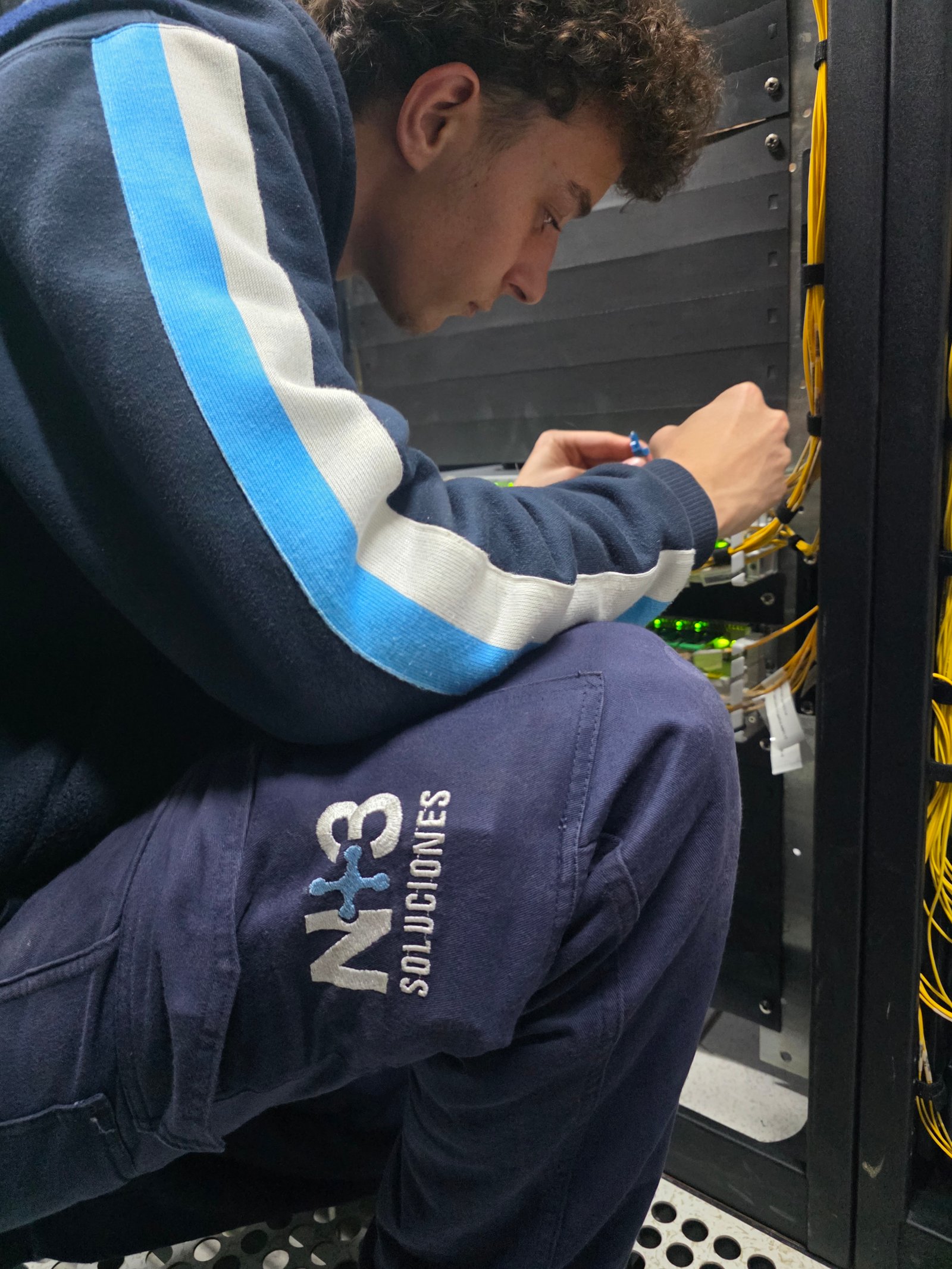
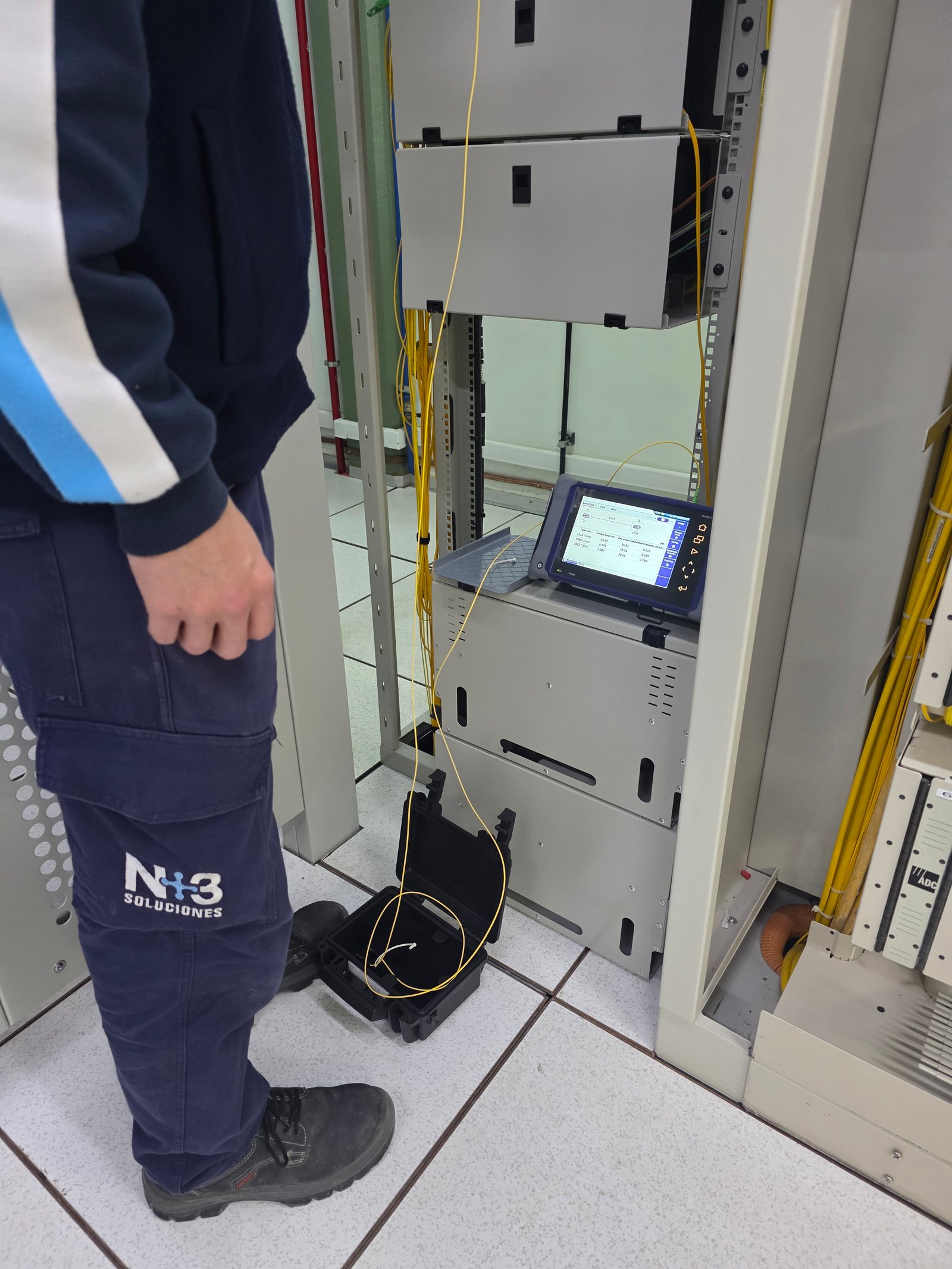
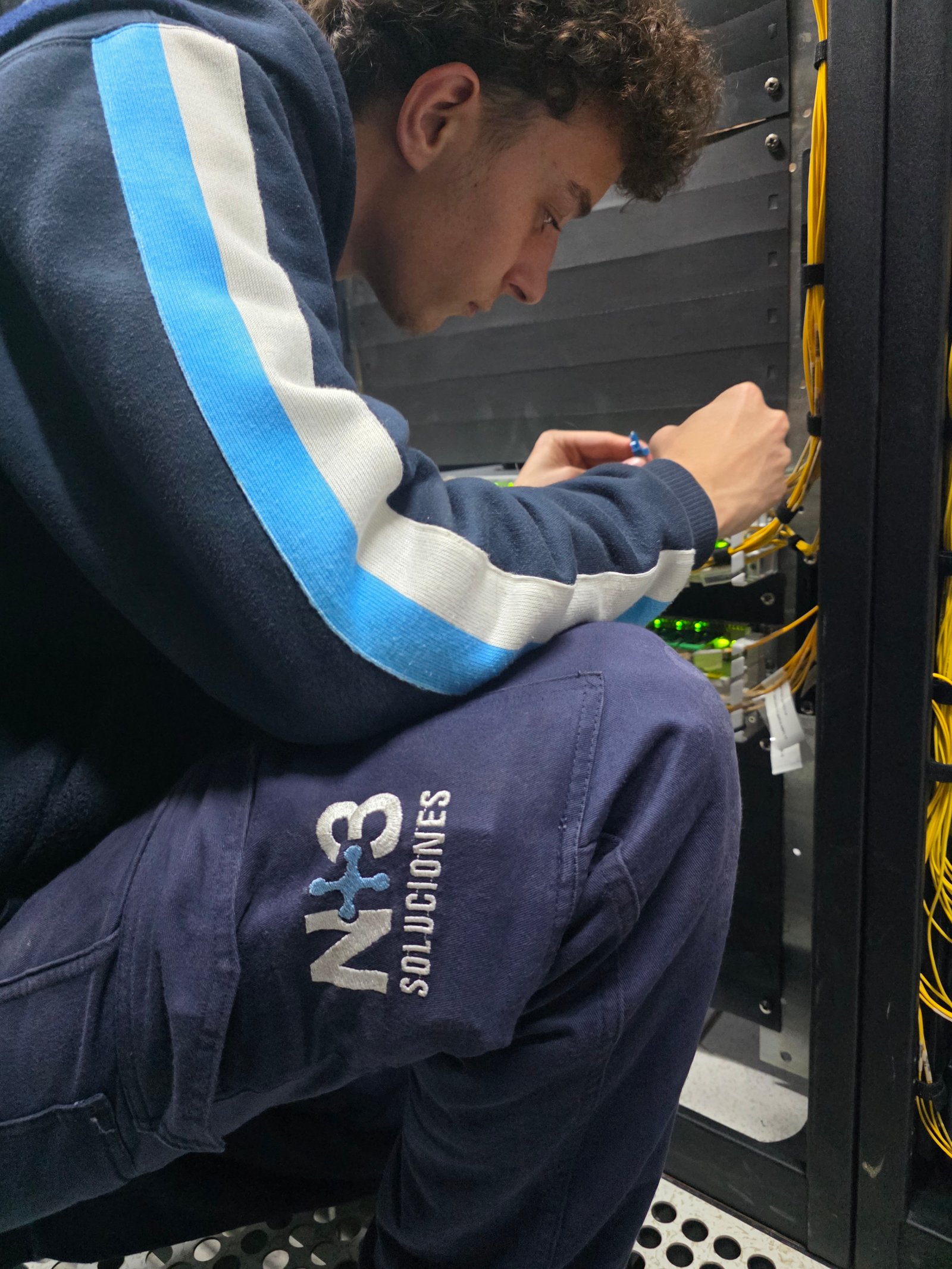
The intervention workflow covers ticket verification, equipment and link identification, physical inspection, power and connectivity checks, coordinated Smart Hands and, where appropriate, optical power, continuity or OTDR measurements.

After the intervention

The outcome

The remote team receives documented physical findings. First-line issues can be addressed within the approved scope, while more complex incidents can be escalated with useful technical evidence.
First Line Maintenance

¿Qué se hace en una visita FLM?

La intervención se ejecuta según el ticket, el alcance autorizado y las instrucciones del equipo responsable. No todas las tareas aplican a todas las visitas.

01

Validar el ticket

Se confirma el alcance, el activo a intervenir y las acciones autorizadas antes de comenzar el trabajo.

02

Identificar la infraestructura

Se localiza rack, equipo, interfaz o enlace y se contrasta la información del ticket con el estado real en sitio.

03

Diagnosticar

Se revisan alimentación, LEDs, alarmas, patching, ópticas y enlaces; cuando corresponde se realizan mediciones.

04

Intervenir y documentar

Se ejecutan las acciones acordadas, se informa al equipo remoto y se registra evidencia del estado inicial y final.

Capacidades en sitio

Tareas que pueden ejecutarse durante una intervención FLM.

Diagnóstico físico

  • Inspección de equipos y alarmas
  • Identificación de conexiones
  • Validación de estado y energía
  • Trazabilidad física básica

Smart Hands / Remote Hands

  • Power cycle autorizado
  • Conexión o desconexión de interfaces
  • Cambio de patch cords
  • Reseating de módulos
  • Conexión de consola o notebook

Rack & Stack

  • Montaje o desmontaje de equipos
  • Instalación de módulos
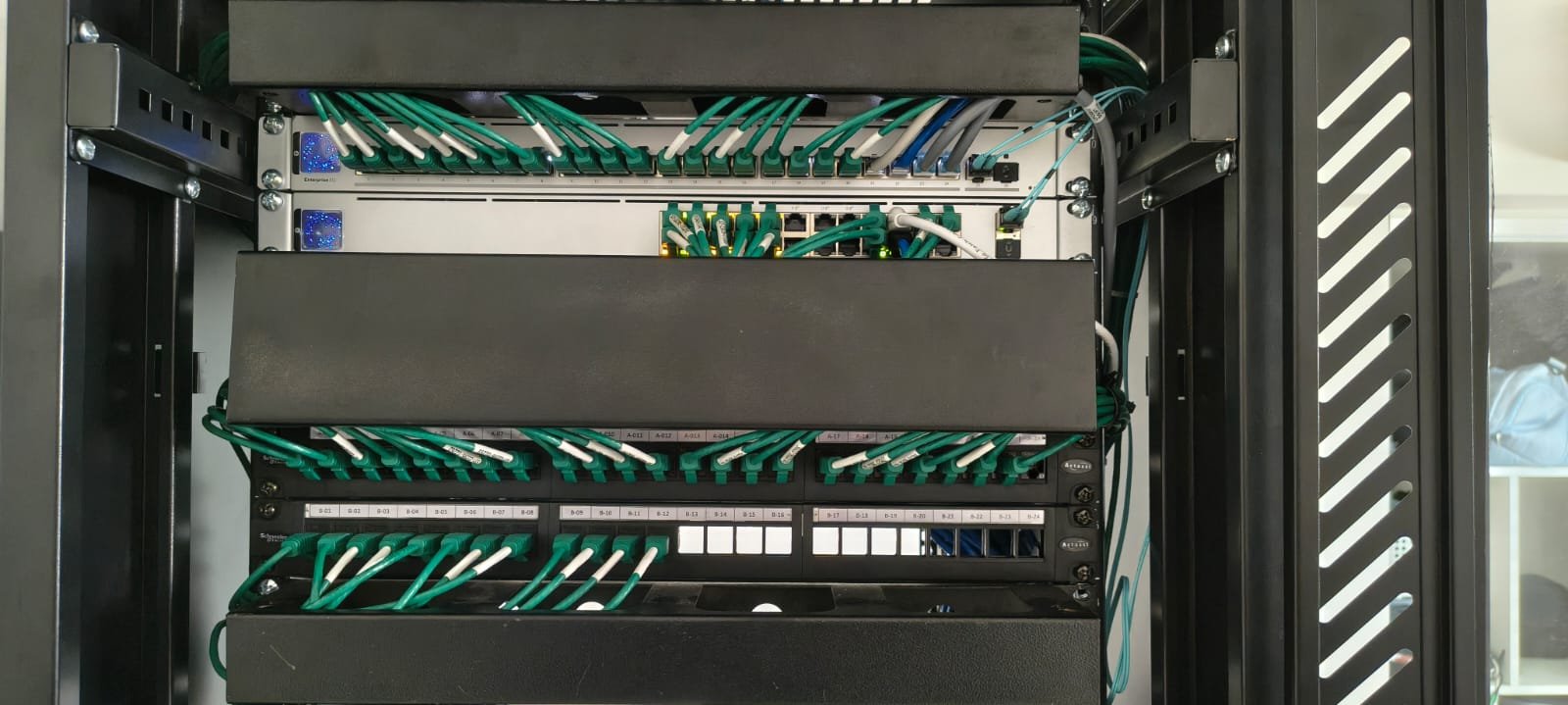
  • Patching y etiquetado
  • Organización de cableado
  • Movimientos simples dentro del rack

Fibra óptica

  • Inspección y limpieza cuando corresponde
  • Medición de potencia
  • Pruebas de continuidad
  • Medición OTDR
  • Localización de eventos o pérdidas

Networking

  • Verificación física de switches y routers
  • Revisión de interfaces
  • Instalación o reemplazo físico de módulos
  • Patching
  • Conexión por consola cuando se solicita

Documentación

  • Evidencia fotográfica
  • Lectura de seriales
  • Etiquetado
  • Estado inicial y final
  • Reporte técnico al cierre
Fibra óptica

Diagnóstico de enlaces ópticos.

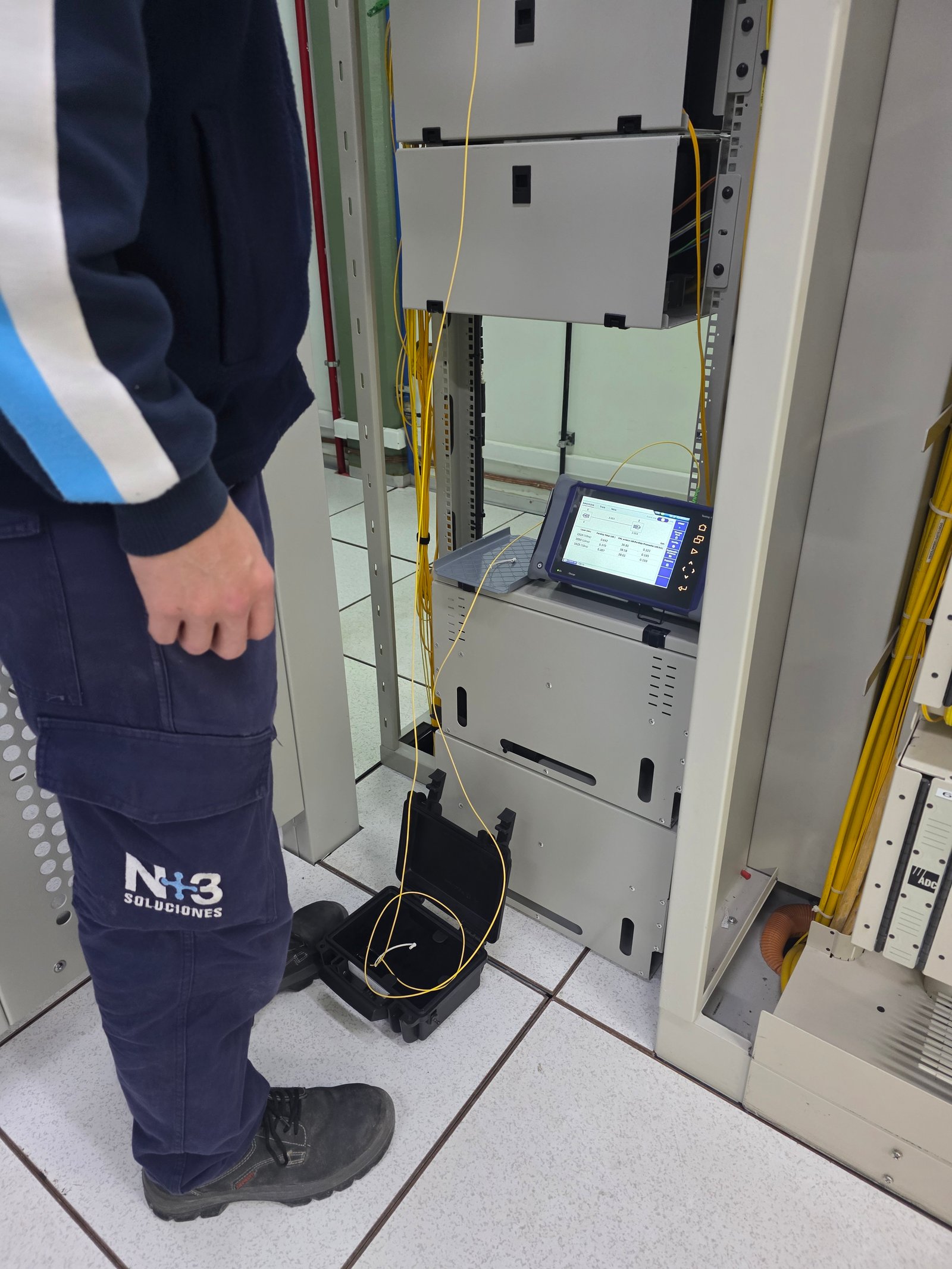
Cuando el incidente involucra fibra, la visita puede orientarse a determinar si la causa está en el patching, los conectores, un tramo de fibra, empalmes o pérdidas a lo largo del enlace. Según el alcance se realizan inspecciones, limpieza, mediciones de potencia, pruebas de continuidad y análisis con OTDR.

El OTDR permite observar eventos a lo largo de la fibra y estimar la distancia a una anomalía, aportando evidencia para diferenciar un problema de capa física de otras causas posibles. Los resultados se documentan para que el equipo remoto pueda decidir el siguiente paso con información objetiva.

Coordinación remota

Ojos y manos en sitio para NOC, TAC e ingeniería.

FLM combina presencia física con operación remota. El técnico puede ejecutar acciones sobre el equipo o el enlace mientras NOC, TAC, ingeniería, el operador o el cliente monitorean alarmas, guían pruebas y validan la recuperación.

Cuando el incidente no puede resolverse en primera línea, el objetivo pasa a ser aislar el problema y entregar información técnica concreta para escalar correctamente, sin confundir FLM con soporte especializado de fabricante o ingeniería de segundo nivel.

Related services

Services used in this project

Explore the N+3 services relevant to the work delivered.

Technical FAQs

Frequently asked questions

Practical answers about the scope and technical decisions behind this project.

When is on-site FLM needed in a data center?

When a data center incident needs a physical inspection, remote teams require trusted on-site technical support to check racks, power, interfaces and cabling.

What checks can a Smart Hands intervention include?

The intervention workflow covers ticket verification, equipment and link identification, physical inspection, power and connectivity checks, coordinated Smart Hands and, where appropriate, optical power, continuity or OTDR measurements.

When are OTDR measurements relevant to FLM?

The intervention workflow covers ticket verification, equipment and link identification, physical inspection, power and connectivity checks, coordinated Smart Hands and, where appropriate, optical power, continuity or OTDR measurements.

What evidence is provided to the remote team?

The remote team receives documented physical findings. First-line issues can be addressed within the approved scope, while more complex incidents can be escalated with useful technical evidence.
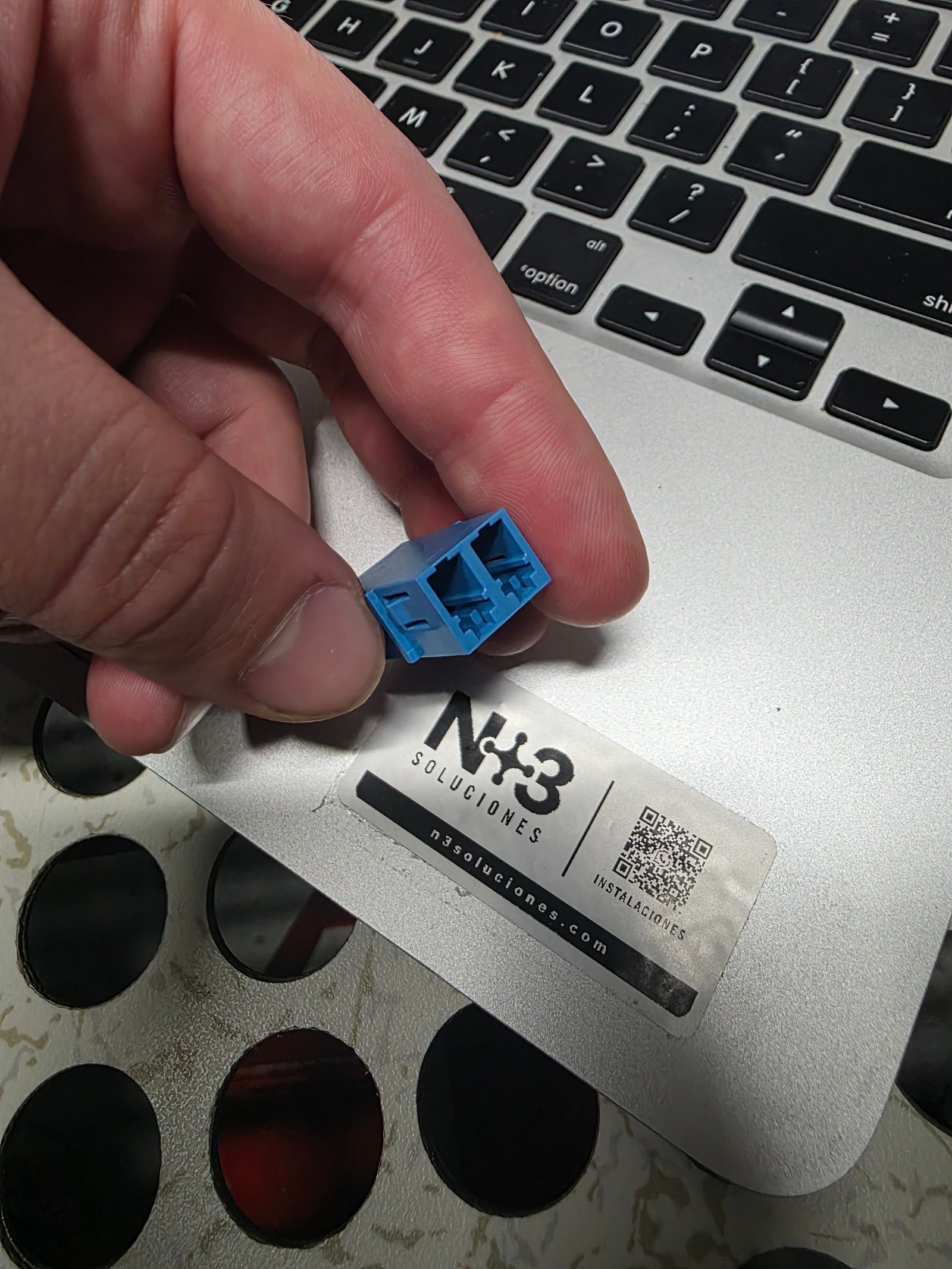
Soporte técnico en sitio

Planning a similar project?

Tell us what you need and we will review the best way to deliver it.

MEETSchedule a MeetWAWhatsApp